
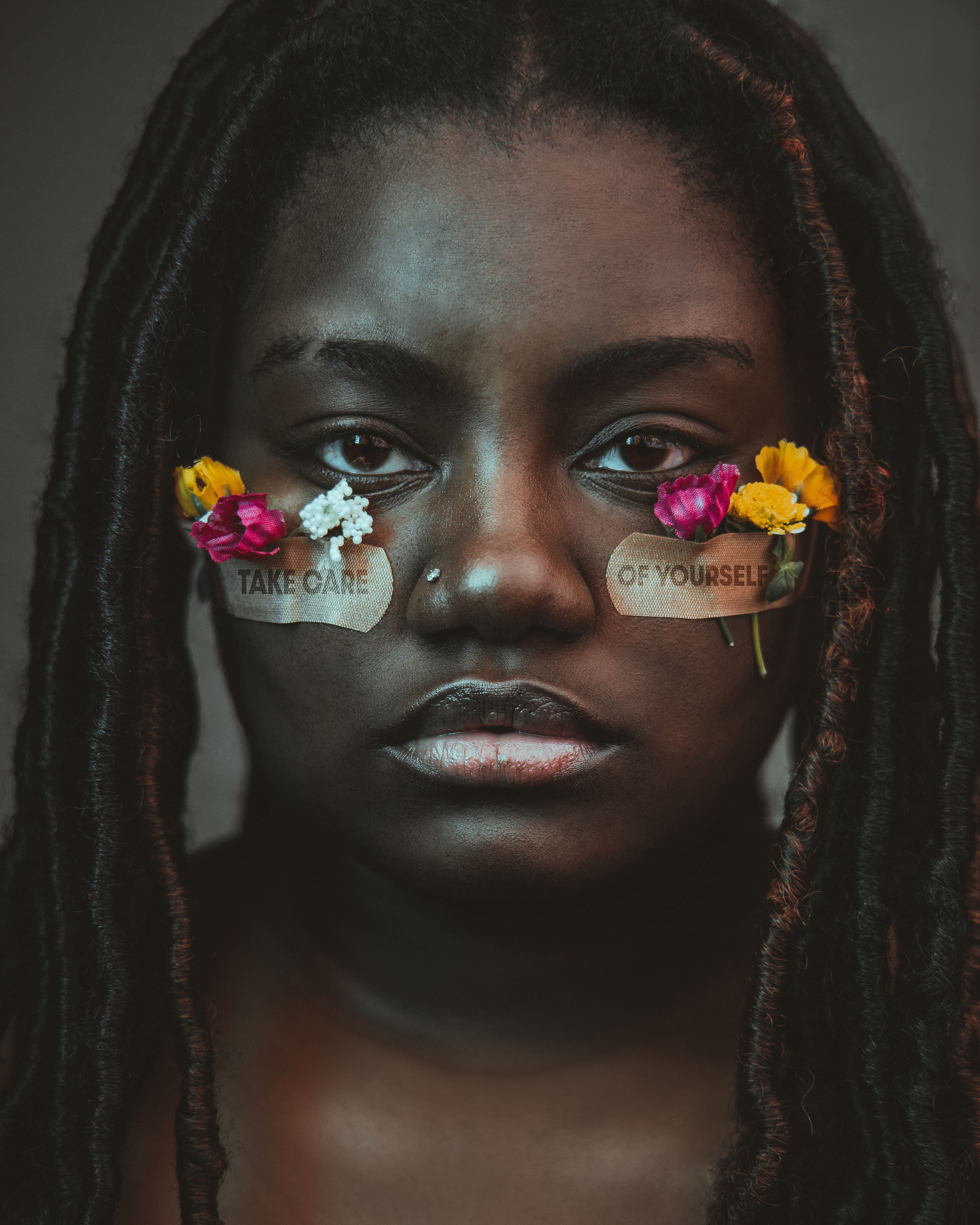
A couple of years ago, I wrote a blog article on holistic healing and the need to heal from racism. Read this abbreviated excerpt to learn how experiences of racism, discrimination, and microaggressions influence mental health and eating disorders.
Among Black, Indigenous, Latine, Asian and People of Color, racism has a host of negative effects across physical and psychological health, and access to health care.
Depression, anxiety, lower well-being, lower self-regard and ill health are often related to experiences of racism.
Racism-related negative psychological states include, but are not limited to, symptoms of depression and anxiety, lower well-being, lower self-regard and ill health (see Okazaki, 2009; Carter, 2007; Clark et al, 1999; Harrell et al, 2003; Sue et al, 2007). Racism also impacts our coping, contributing to higher levels of psychological and physiological stress responses (Clark et al, 1999). In the US, most research on racism has studied the negative effects on Blacks. Additional research is showing negative effects in other racial groups and ages (e.g. Asian/Cambodian American adolescents, see Sangalang & Gee, 2015). Whites are also negatively impacted by racism. This can include negative effects on mental health, loss of authentic sense of self, relationships, ethical and spiritual integrity and opportunity to develop a full range of knowledge about self, others and the world (Goodman, 2017).
Racism is associated with increased odds of eating disorder and disordered eating behaviors among Black, Indigenous, Latine, Asian, and People of Color.
Among African Americans, experiences of racism and discrimination are associated with higher odds of Binge Eating Disorder (BED). Research has also found associations between emotional distress, stress related to racism, and binge eating among Native Americans/American Indians. These two factors and lifetime experiences of racism are significant predictors of binge eating (Clark & Winterowd, 2012). Among Asian Americans, experiences of racial and sexual objectification are related to trauma symptoms, body image concerns, and eating disorders (Cheng & Kim, 2018). Asian American women who report higher levels of racial/ethnic teasing or racial discrimination are more likely to experience more body shame and disordered eating (Cheng et al, 2017).
Participation in anti-racism intervention has positive mental health effects
e.g. Kelaher et al, 2018
If your mental health would benefit from a healing space to address racism and marginalization, reach out for support.
We offer mental health and eating disorders therapy to those in California, Pennsylvania and North Carolina.
Check out our therapy services page for more information and book a consultation to explore doing therapy together!
Guidance for Healthcare Providers
Given negative mental health effects of racism across all racial groups and the specific risk for eating disorders, it is essential that healthcare providers assess for and address racism.
Three ways clinicians, including therapists and other healthcare providers, can use their roles are identified below. Additional and more personalized guidance is available to providers through clinical supervision and consultation.
- Clinicians can explore the impact of racism, specifically how involvement and witnessing racism shape views of the world and others.
- Clinicians can assess how racism impacts one’s connection with self and the body, especially if these have been targets. This is particularly relevant for those working with eating disorders.
- Clinicians are encouraged to become educated about working with racial minorities, using culturally-sensitive interventions and attending to intersectional identities (e.g. ethnicity, documentation status, ableism, gender, etc)
- Clinicians can contribute to dialogue and healing in our own and adjacent communities. Reflection on these and related questions is valuable:
- How can we create communities where the effects of racism are openly discussed, to encourage coming together to address this?
- How can we vulnerably, compassionately, and respectfully address the pain, fear and shame of racism?
- How can we increase our cultural sensitivity in integrating discussions about racism in to mental health therapy and treatment?
Are you a healthcare provider looking to learn how about anti-racist and anti-oppressive mental health and eating disorders treatment?
Contact us about clinical supervision and consultation.
Leave a Reply